Shri Thakur Rajgopal Ji Maharaj Ki Jai !
 Srimate Ramanujaya Namaha !
Devotion Through Sound — The Primary Sadhana of This Age
Singing the divine name is a universal expression of love for God. All the scriptures agree— Bhajan and Kirtan is the primary sadhana of this age. From the Bhagavatam to the Ramayan, from Tulsidas to modern saints, the consensus is clear:
Meaning: This verse from Ramcharitmanas describes how, in Kal Yug, the only effective spiritual practice is the chanting and remembrance of God's name. Other methods like yoga, sacrifices (yagya), penance (tap), austerities (vrat), and rituals (puja) are no longer as effective in this age of spiritual decline and distraction. All complex rituals and practices pale in comparison to the simple remembrance and chanting of God’s names.
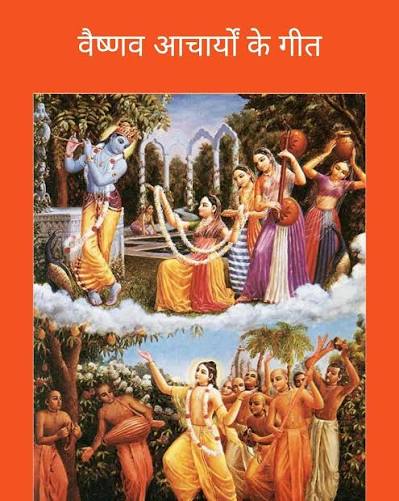
Bhajans are devotional songs that show our respect and reverence to the Gods and Goddesses. In Hinduism, Bhajans play an essential role. Bhajan comes from the Sanskrit word, Bhajanam, which means reverence. The root word of Bhajan is Bhaj, which means "to belong." Throughout the years, Bhajans have become an integral part of our traditions and culture. Playing pieces of musical equipment like Tabla, Harmonium, and Dholak also accompany Bhajans. When it comes to the recitation of Bhajans, no special musical training is necessary. When we sing Bhajans as part of our prayers, they can play a significant role in invoking us to the religious and spiritual realm. Apart from that, they have a plethora of other health-based benefits as well. It is essential to include Bhajans as part of rituals to enhance positivity in our lives.
With the growth of Bhakti's movement in India, there came a radical change in the perspective of reciting Bhajans. Earlier, people could only recite Bhajans from temples. However, in the 15th century, with the Bhakti movement, it became much more common. Great religious scholars like Tulasi Das, Meera Bhai, Guru Nanak, Soor Das, Chaitanya Mahaprabhu and many others played a crucial role in the movement. They all emphasized Bhajan and Sankirtan as the fastest path to God. Kirtan unites people beyond boundaries, across religions and languages.
However, in the present decade, not many people are aware of the benefits and the significance of reciting Bhajans and Kirtans. With the fast pacing of life, many people fail to find time for their prayers. Most kids, nowadays, are also unaware of the need to sing Bhajans. The singing of Bhajans has a plethora of benefits. They have religious, spiritual, and aid in improving our physical, psychological, and emotional health.
Kirtan brings together the three essential limbs of Tridha Bhakti:
This triple practice is not only scripturally endorsed but prescribed for our age. The saints have composed countless bhajans, kirtans, and pads describing the nam (name), roop (form), leela (pastimes), gun (qualities), and dham (abode) of the Lord.
“When you sing it, your ears engage in hearing it. Alongside, the mind is used for contemplation. This becomes the Tridha Bhakti - Kirtan, Shravan & Smaran. This Tridha Bhakti is the prescribed form in this age of Kal Yug.”
In the midst of distractions and worldly chaos, this threefold path becomes a practical and powerful anchor for spiritual elevation.
Let your tongue chant. Let your ears hear. Let your mind remember.
That is Tridha Bhakti. That is Kirtan. That is the way.
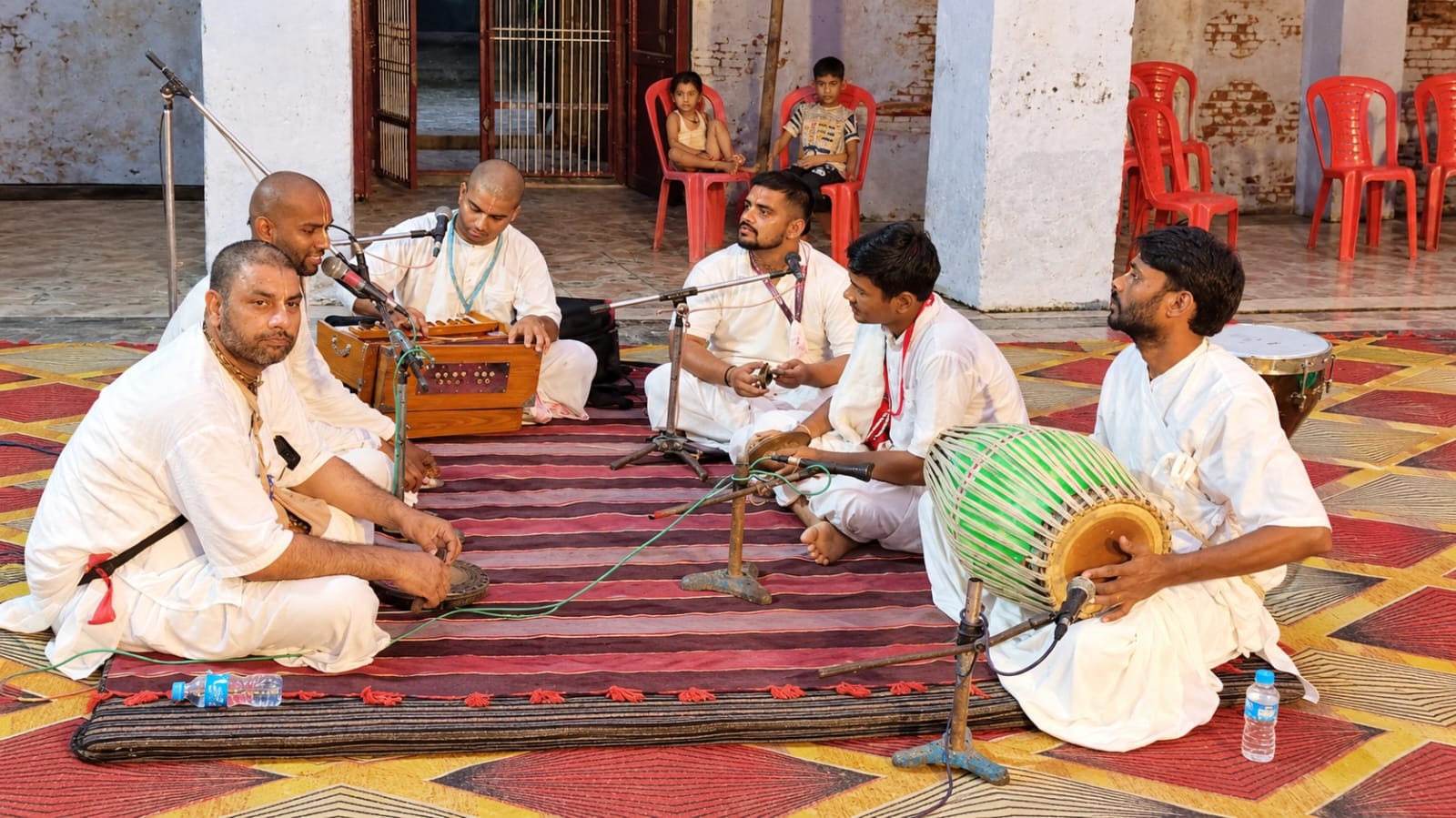
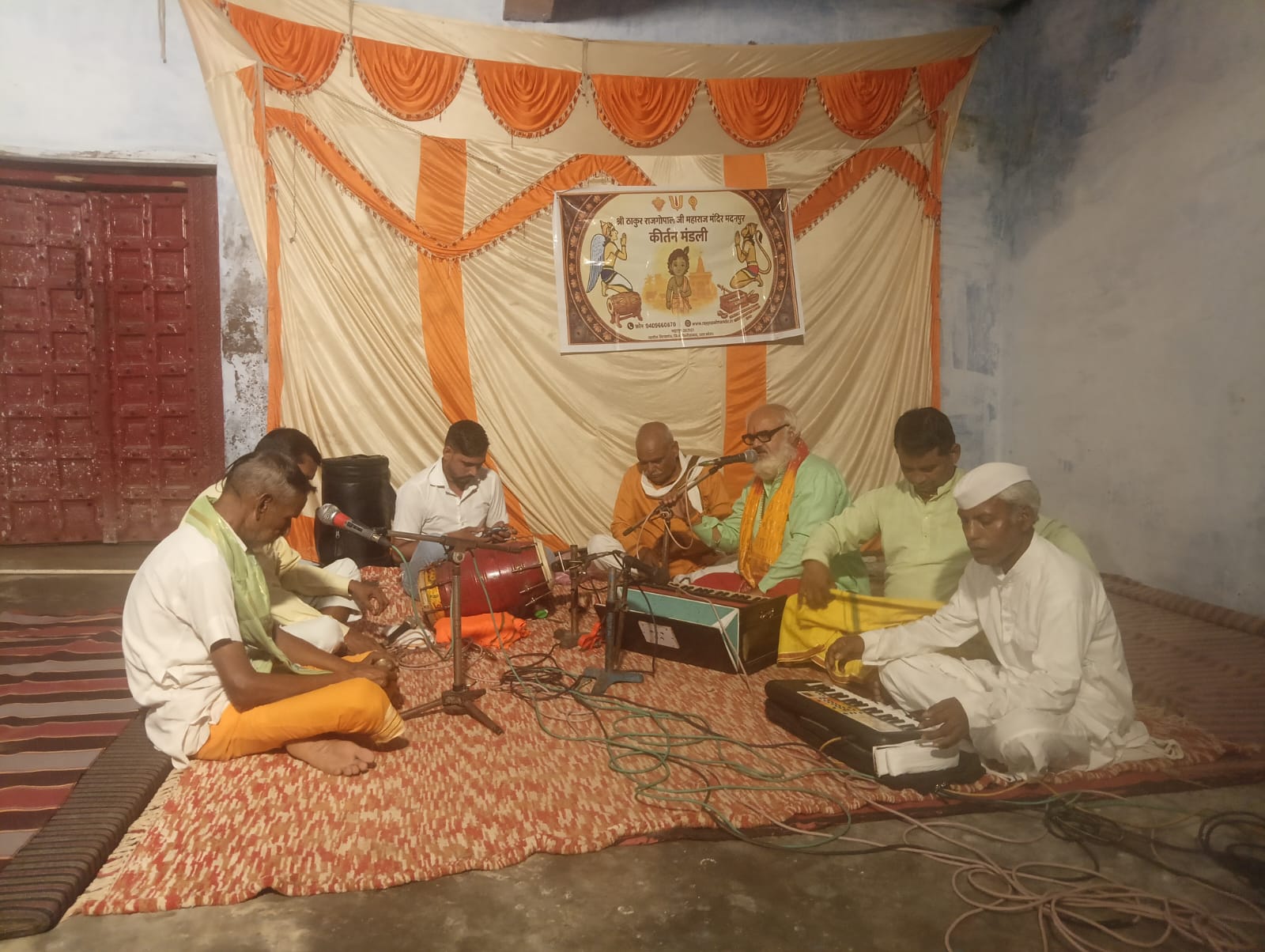
A dedicated temple kirtan mandali is a committed group of singers and musicians who perform continuous or scheduled congregational chanting (sankirtan) of holy names in a temple. These groups maintain a spiritually charged environment through religious chanting. Members selflessly operate purely on volunteer devotion rather than commercial or material motives.
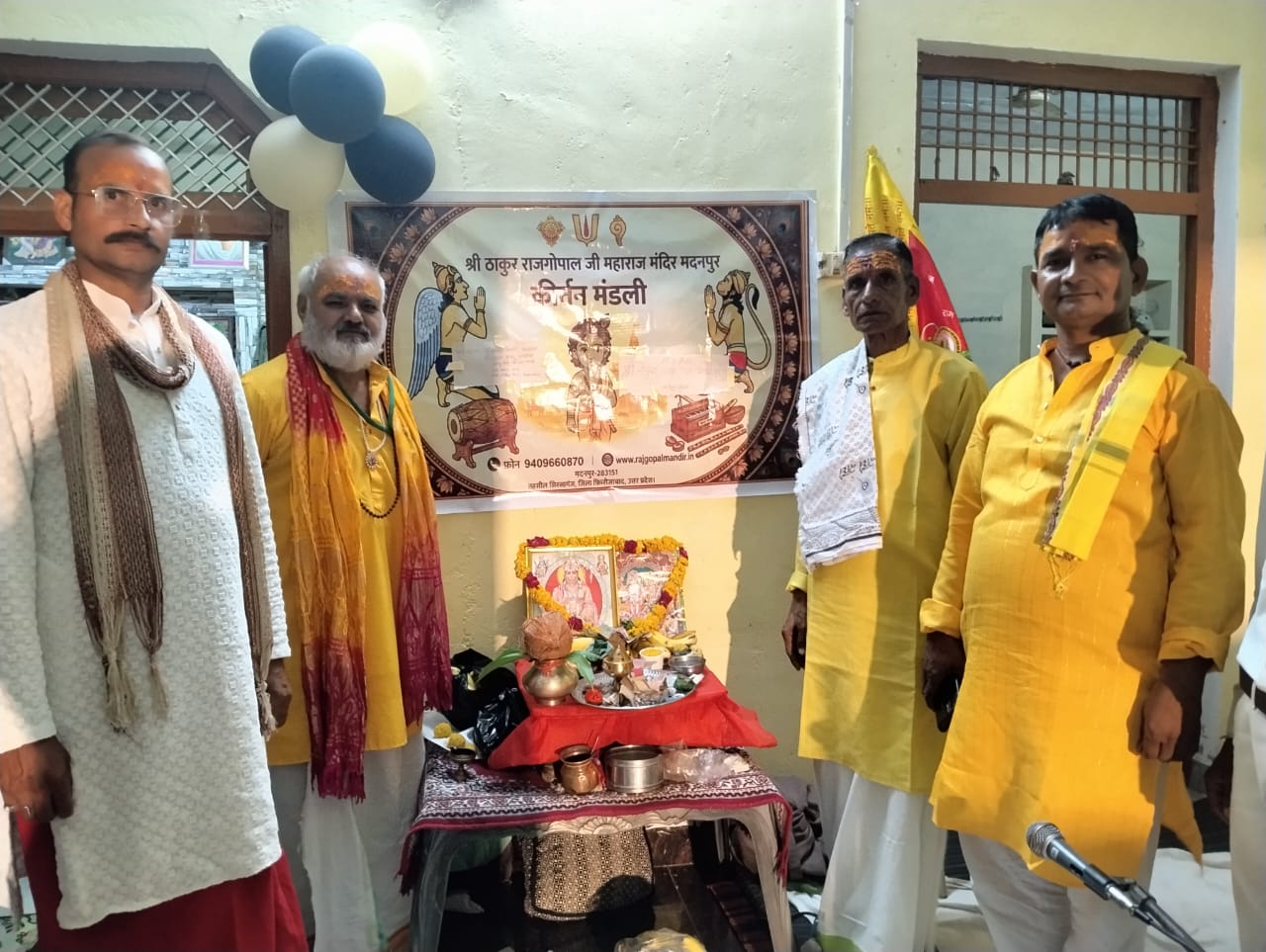
Sri Thakur Rajgopalji Maharaj Virajman Mandir has a dedicated mandir kirtan mandali which is the cultural and spiritual backbone of rural Madanpur community. It is a dedicated, local, volunteer-driven group of devotional singers and musicians who gather regularly at Sri Thakur Rajgopalji Maharaj Mandir to perform call-and-response chanting, bhajans, and holy recitals, serving as the cultural and spiritual heartbeat of village life.
The mandali preserve centuries-old regional musical traditions, foster community bonding, and offer selfless devotional services (seva) on various Utsavas at Sri Thakur Rajgopalji Maharaj Mandir and other family and community functions. Rajgopalji Maharaj Mandir Kirtan Mandali operate primarily as community collectives rather than commercial event groups, focusing on building deep spiritual environments.
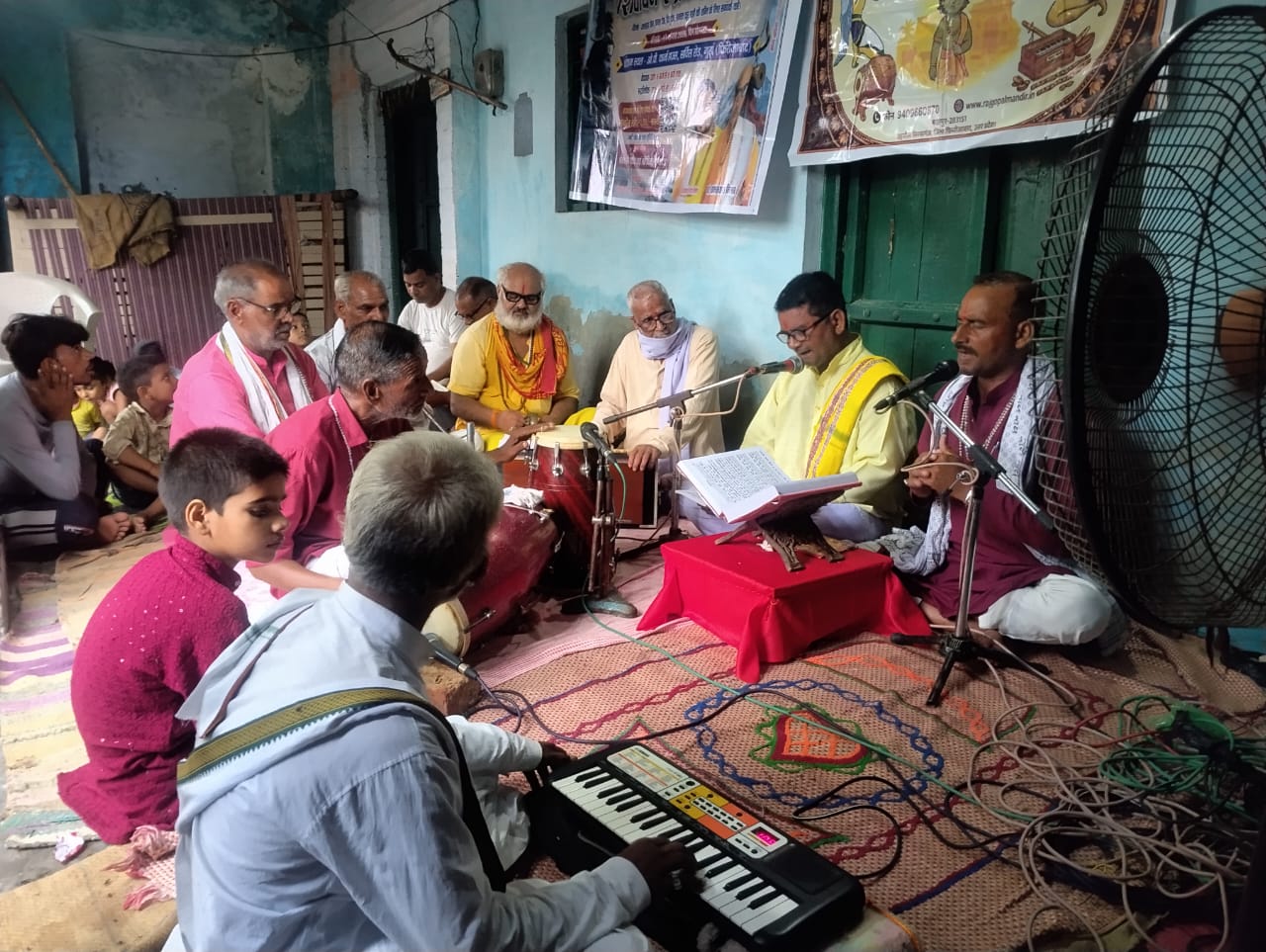
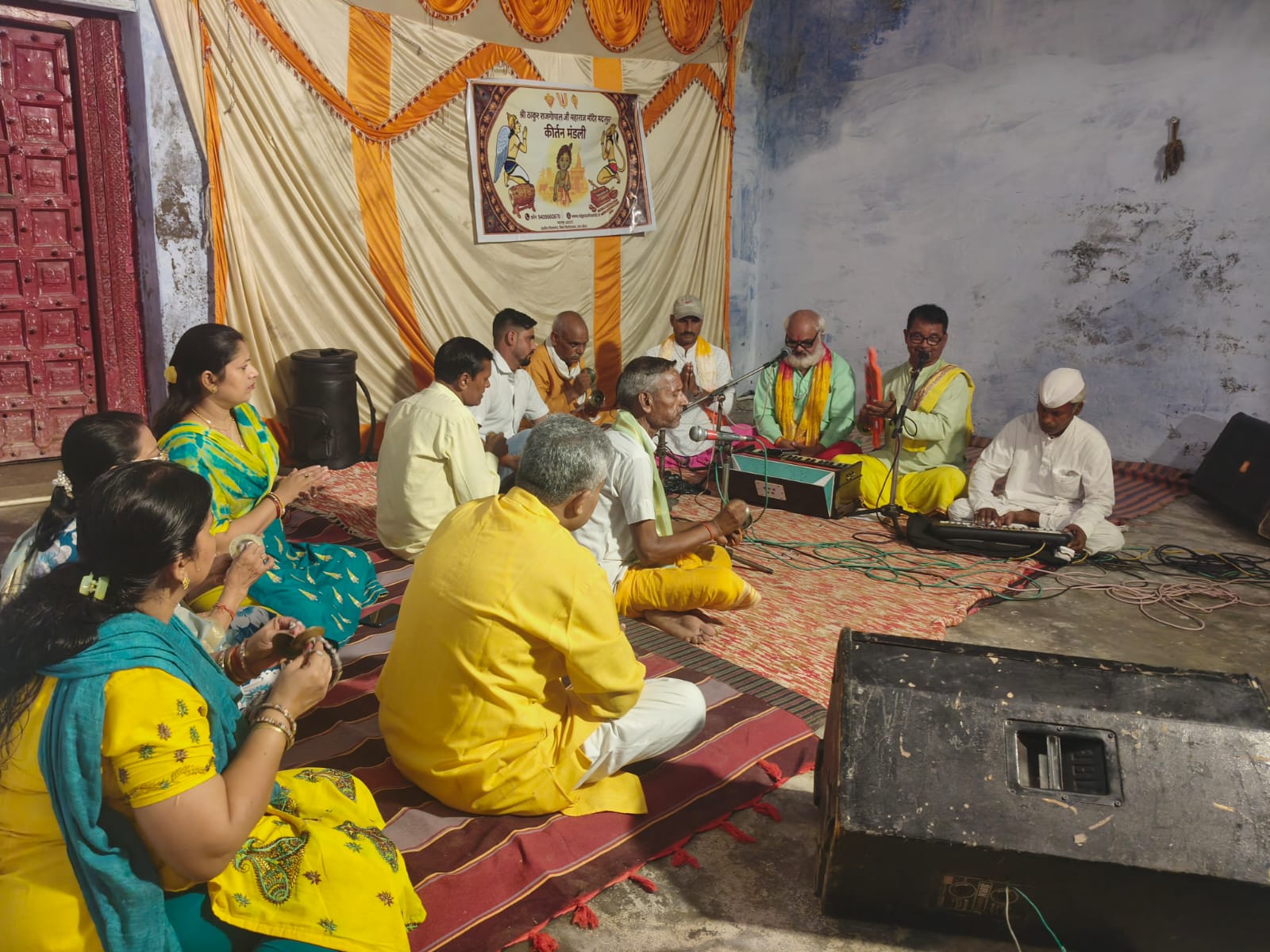
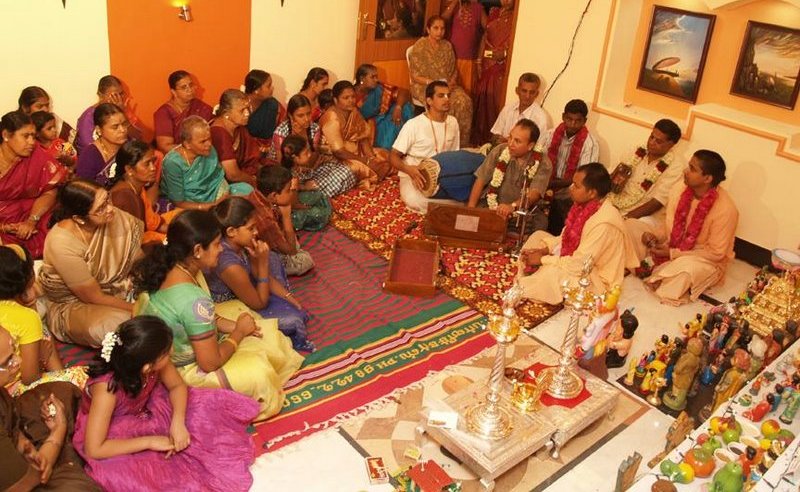
Kirtan is not about musical talent. It’s about opening your heart, letting go of ego, and chanting the names of your Beloved Lord with simplicity and sincerity. So, the next time your mind wanders, offer it a divine melody. When the world tires you out, find refuge in sacred sound.