Shri Thakur Rajgopal Ji Maharaj Ki Jai !
 Srimate Ramanujaya Namaha !
Celebrating Faith, Culture, Community, and Commerce
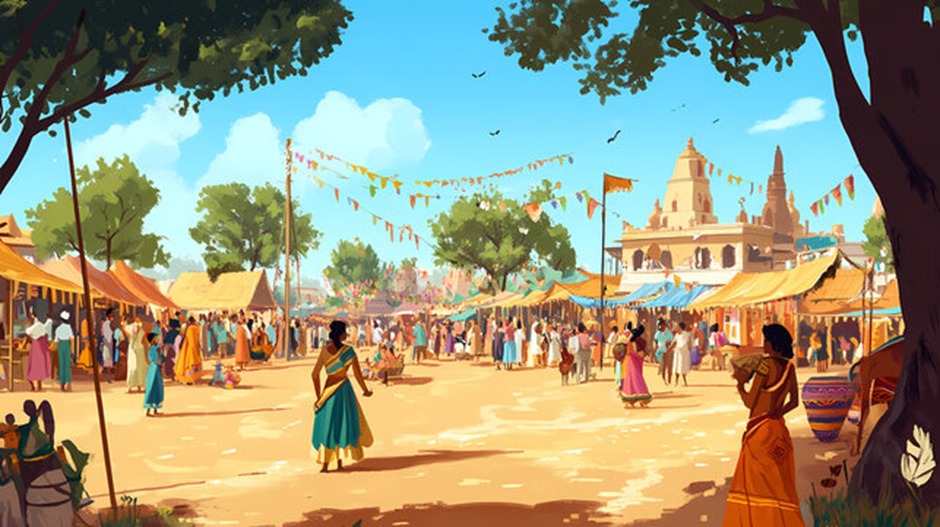
Mela is a Sanskrit word meaning "gathering" or "to meet" or a "fair". Temple Fairs in India Celebrates Faith, Culture, Community and Commerce. Traditional fairs or Melas held near Indian temples are more than religious congregations: they are vital socio-cultural and religious gatherings. Fairs are living and breathing expressions of history, faith, and community life. They blend rituals with lively markets, fostering social harmony, promoting local arts and crafts, and acting as centers for regional tourism, economic exchange, and cultural preservation. In India, Melas (fairs) held near temples are vibrant "ephemeral settlements" that serve as a bridge between the sacred and the secular. Beyond their religious origins, they are critical hubs for social cohesion, cultural preservation, and regional economic survival.
Rural temple fairs are crucial for preserving local sanskriti (culture) and passing down traditions amidst rapid modernization. In an era where urbanization separates people from nature, such gatherings are becoming increasingly rare. Rural fairs are often timed according to celestial alignments or lunar calendars to coincide with temple festivals or harvest seasons.
Fairs associated with devotional processions like Rath Yatra, or Sawaris) features chariot processions or elephant parades that symbolise the deity's presence among the people.
Melas function as essential meeting grounds that transcend caste and regional boundaries.
Melas are major marketplaces for livestock, agricultural produce, and regional handicrafts. They generate temporary employment for thousands of small vendors, artisans, transporters, and performers. They are infrastructure catalyst and often drives government investment in local roads, sanitation, and transport facilities.
Rural melas are inherently tied to the seasonal cycles (like Chaitra, marking the beginning of the Hindu New Year). They remind us of the relationship between:
Traders, artisans and performers gather here and it is a vibrant reflection of the socio-cultural fabric of India.
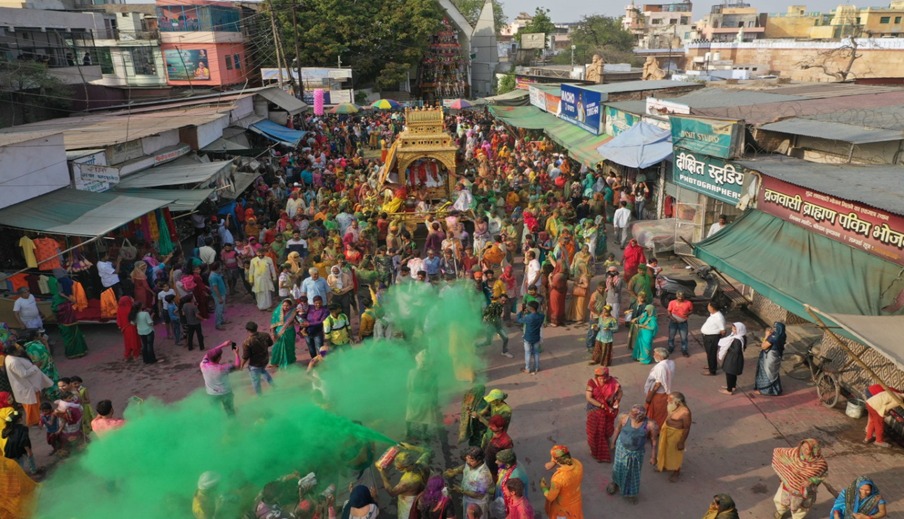
Madanpur Chaitra Mela serves as a vital example of a rural temple fair that remains an important venue for sustaining the cultural and social life of the rural community, resisting the pull of modernization. The Mela stands out as a vibrant, rare, and crucial example of rural temple fairs that actively preserve local Sanskriti (culture) and traditions in an era increasingly dominated by rapid modernization and urban disconnection from nature.
It is fascinating to see how this Mela acts as a living bridge between the past and the present. The mela touches the very poignant reality that as we become more digitally connected, we often lose our physical connection to the soil and the "Sanskriti" (culture) that defines us. This fair is not just marketplace, rather it is cultural lungs for the whole community, especially Mathur community allowing traditions to breathe and evolve rather than suffocate under the weight of modernization.
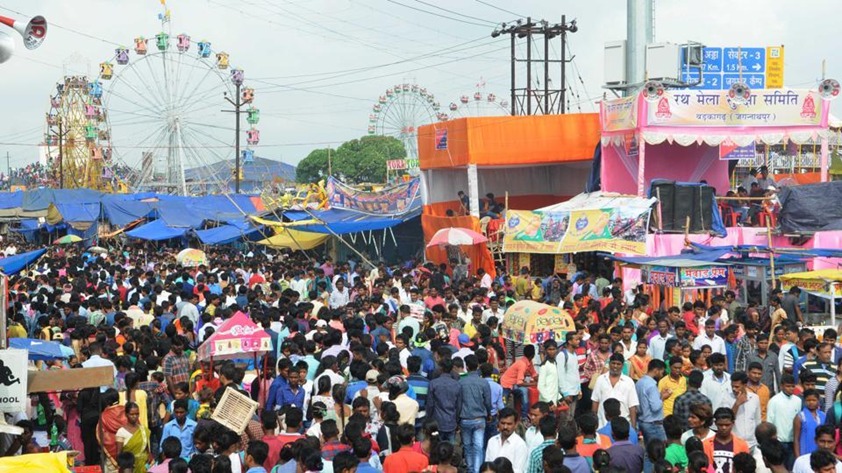
Madanpur Chaitra Mela highlights a beautiful "mini-India" effect where regional borders blur in celebration:
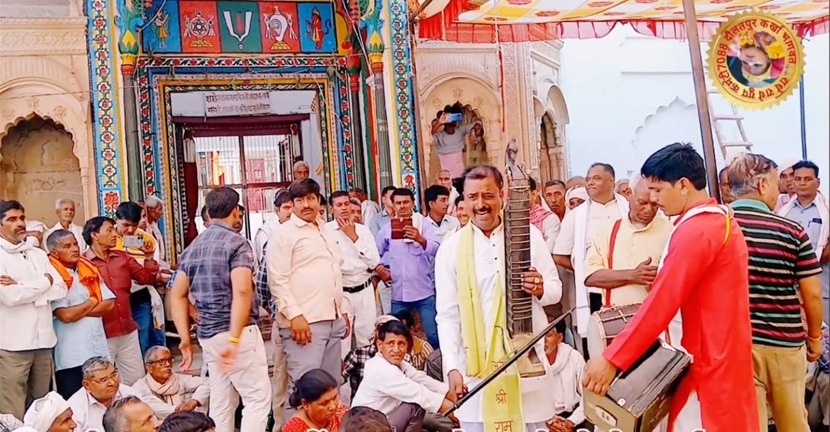
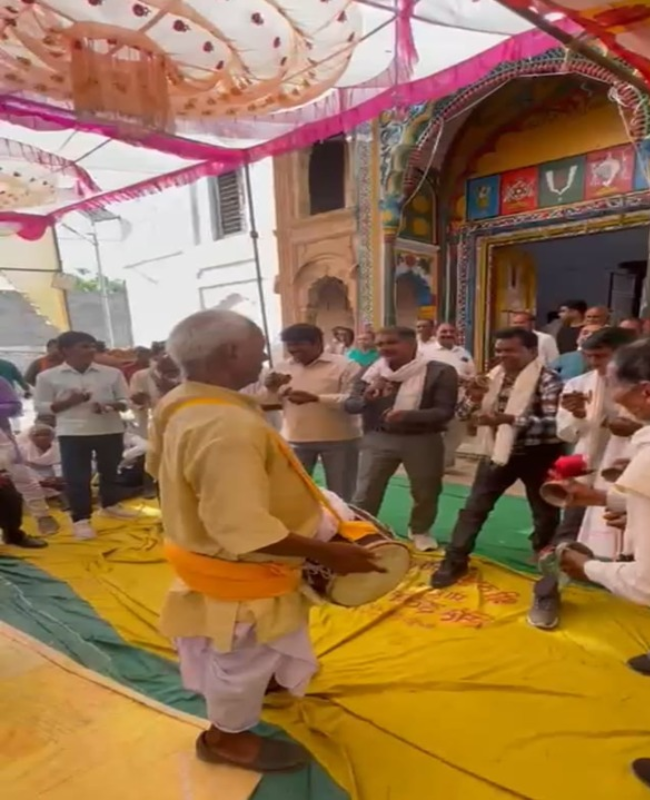
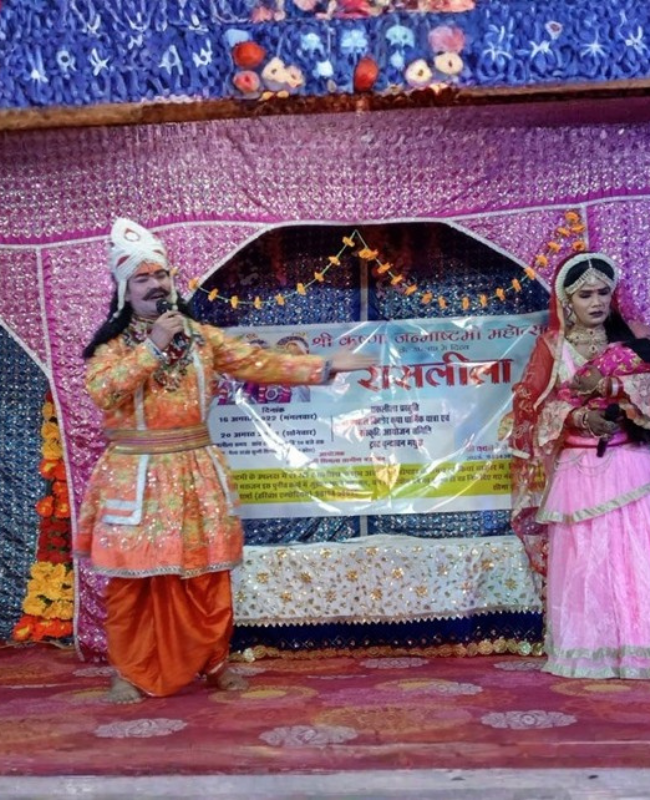
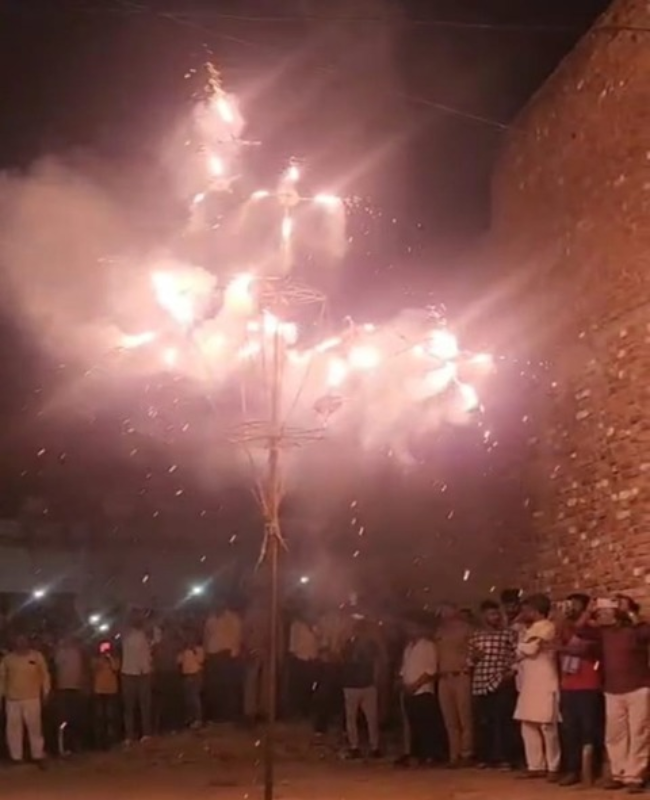
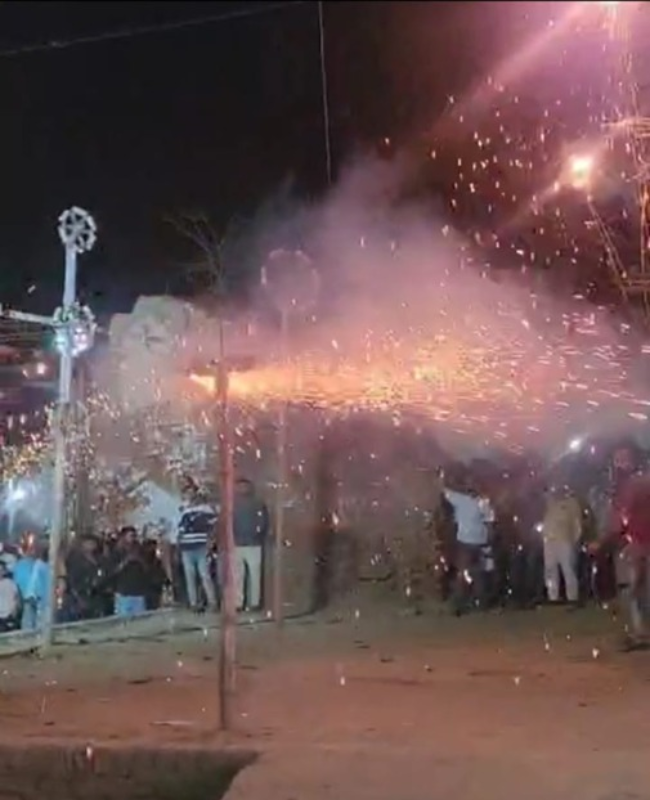
The survival of the Madanpur Chaitra Mela is a testament to the resilience of the local community. It proves that tradition doesn't have to be "old-fashioned"—it just has to be "soulful."
It is an earnest request to all Madanpur residents across the globe and to the tourist and travellers visiting Thakur Rajgopalji Maharaj Mandir to help us in promoting Madanpur Chaitra Mela, we all have to look it through a modern lens without losing its soul. Which includes:
Temple fairs are layered experiences,
Madanpur Chaitra Mela is the perfect inclusions in cultural travel packages, especially for those travellers/tourists who wish to understand India beyond the cultural highlights found in guidebooks. For those looking to make some spiritually inspired journeys, Madanpur Mela many is harmoniously woven into the curated pilgrimage tour package, so that travellers can participate in the sacred events with logistics ease, as well as the guidance of context.
Madanpur Rural Mela is one of the most powerful expressions of Uttar Pradesh culture – one that is deeply rooted in devotion but alive with people. Experiencing even one can change the way you think about Indian spirituality, community, and tradition. Woven into a wider journey or planned as a standalone experience, this fair provides moments of reflection that long remain after the crowds have dispersed.
If you’re looking for meaningful ways to experience India’s spiritual heartlands, curated journeys centered around temple fairs, Madanpur Chaitra Mela can provide a balance of depth and comfort – of old-world tradition and well-thought-out travel design.